


Teachings
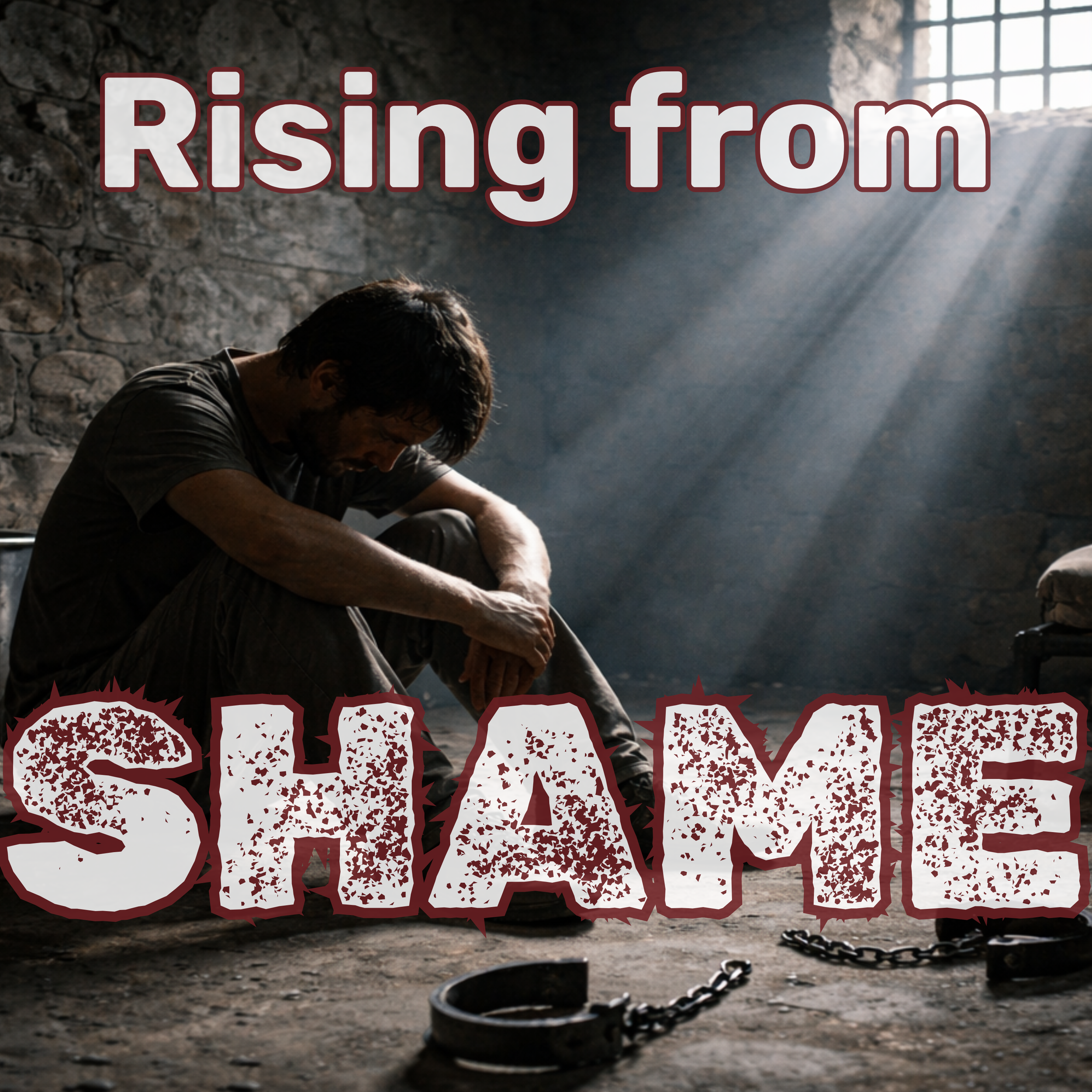
From Shame to True Worship
Have you ever daydreamed about what your life would be like if you had more money? I'm sure we all have. Lack of finances seem to make things really hard sometimes. At the same time, chasing after money and possessions can be a trap as well. This week in our series "Practical Living for Jesus Followers," James warns us about the deception of riches. Always wanting more is like the air we breath. It is not necessarily healthy. It can actually threaten our faith. But James shows us how our faith in Jesus helps us to avoid being deceived by the lure of always wanting more. It is amazing that a "primitive" book like the Bible, that is more than 2000 years old, has such helpful wisdom for us in 2026. Let's get wise about wealth together this Sunday.
The Devil and Our Shame
We're approaching the end of our series, "Rising from Shame." We will be looking at the story of Mary Magdalene who was set free from seven demons by the Lord Jesus. Shame is clearly one of the weapons that Satan would use to hinder us and keep us down. Sometimes we think the negative voices putting us down in our heads are our own negative selves. Sometimes they may be even more insidious. When we come to recognize the message of Jesus, we are better equipped to recognize the voice of Jesus over against other voices that trouble us. Jesus always brought God's freedom to those who came to him for help oppressed by unclean spirits. He overcame Satan when he rose from the dead. He wants us to experience freedom with him.
Facing Your Limitations
This Sunday we look at one of the most vulnerable moments in Elijah’s life—right after his greatest victory. Exhausted, afraid, and convinced he’s a failure, Elijah runs into the wilderness believing he’s alone and beyond help. His story exposes how shame twists our limitations into accusations and how isolation, resentment, and self‑pity can pull even the strongest believers into dark places. But it also reminds us that being human means having limits, and those limits are not signs of God’s absence. At Horeb, God meets Elijah not in the wind, earthquake, or fire, but in a gentle whisper—showing that we need an unlimited God far more than we need unlimited strength. We’ll explore how God restores us through His presence, His people, and His purposes, and how Romans 11 echoes the same truth: God never abandons His own. If you’ve ever felt worn out, “not enough,” or unsure of your place, this message will help you see how dependence on God loosens shame’s grip and leads us toward hope and renewal.
Spiritual Procrastination
As we think about "Rising from Shame" this week, we will look at the life of King Saul. He was anointed with high hopes as a King to rescue God's people. He was a valiant fighter, leading his nation to freedom from those who wanted to harm them. Yet his reign ends in shame. Why did he fall apart? The answer is not a single defining event as it was a series of escalating events that led him to his fall. When we fall short of what God expects of us (and all of us will), but we refuse to own it and admit it, we will journey from guilt to shame. When we are guilty of wrong, we can do something good about that. If we ignore it, it will take on a life of its own that drags us into self-defeating shame. Saul's life demonstrates this. How do we arrest our guilt and shame? How do we climb out of it and learn to move in a new direction? Let's find out together.
A Divided Heart
As we continue our series, "Rising from Shame," we will examine the life of Samson in the book of Judges. Here was a man that had so much going for him. But he was defeated by a divided heart. Whether or not we admit to battling a divided heart ourselves, we each know someone who has lost that battle. Shame always haunts those with a divided heart. It tells us we're helpless losers who will never change or get better. When someone is in that condition, they really need serious help. Where will help come from? What does help look like? when shame attacks our divided heart. Hebrews 11:24 gives us a clue. If you can read Judges 13-16 before Sunday, it would help. If you come looking for hope, God will show us where to find it.
When You’ve Been Abused
In this message, we explore the painful reality of shame—especially the kind that comes from abuse—through the story of Hagar in Genesis 16, a woman used, mistreated, and caught in the fallout of Abraham and Sarah’s lack of trust in God, highlighting how abuse dehumanizes and leaves deep internal questions about worth, love, and God’s presence; drawing on insights about shame as the belief that “I am unworthy,” the message shows how people often cope by hiding, numbing pain, or seeking love in harmful ways, yet reminds us we were created for love and never stop needing it; in Hagar’s lowest moment—alone and fleeing in the wilderness—God meets her, calls her by name, listens to her story, and promises a future, revealing Himself as the God who both sees and hears, prompting Hagar to declare, “You are the God who sees me,” a powerful reminder that God’s attention is compassionate, not condemning; the sermon emphasizes that while escaping abuse is right and seeking help is essential, healing comes from knowing that God is present in our pain, cares about both our circumstances and our hearts, and can bring redemption even from the darkest experiences, shaping beauty, character, and purpose out of suffering; ultimately, it points to Jesus, who endured betrayal, injustice, and deep shame on the cross, so that those who have been hurt are not alone or forgotten but can find lasting freedom, love, and restoration in Him, with the assurance that their story is not defined by shame but by a God who sees, hears, and redeems.
When You Got Sucked into Evil
How does shame get such a tight grip on our lives? This week we look at the story of Lot to see how shame begins, how it grows, and how God rescues us from it. Lot slowly drifted away from spiritual community—moving toward Sodom, into Sodom, and eventually becoming trapped in sin, compromise, and deep shame. He lost his moral footing and couldn’t free himself from the mess he was in. But God didn’t abandon him. Because of mercy and intercession, God pulled Lot out—and even through Lot’s broken family line came redemption. One of his descendants was Ruth the Moabitess, part of the family line of Jesus. That same hope is offered to us. Jesus takes our sin and shame, calls us righteous, and invites us into the light where honesty, support, and spiritual community help us heal. Shame loses its power when we stop hiding and let God and His people walk with us. Freedom is possible. God wants to help you rise from shame.