


Teachings
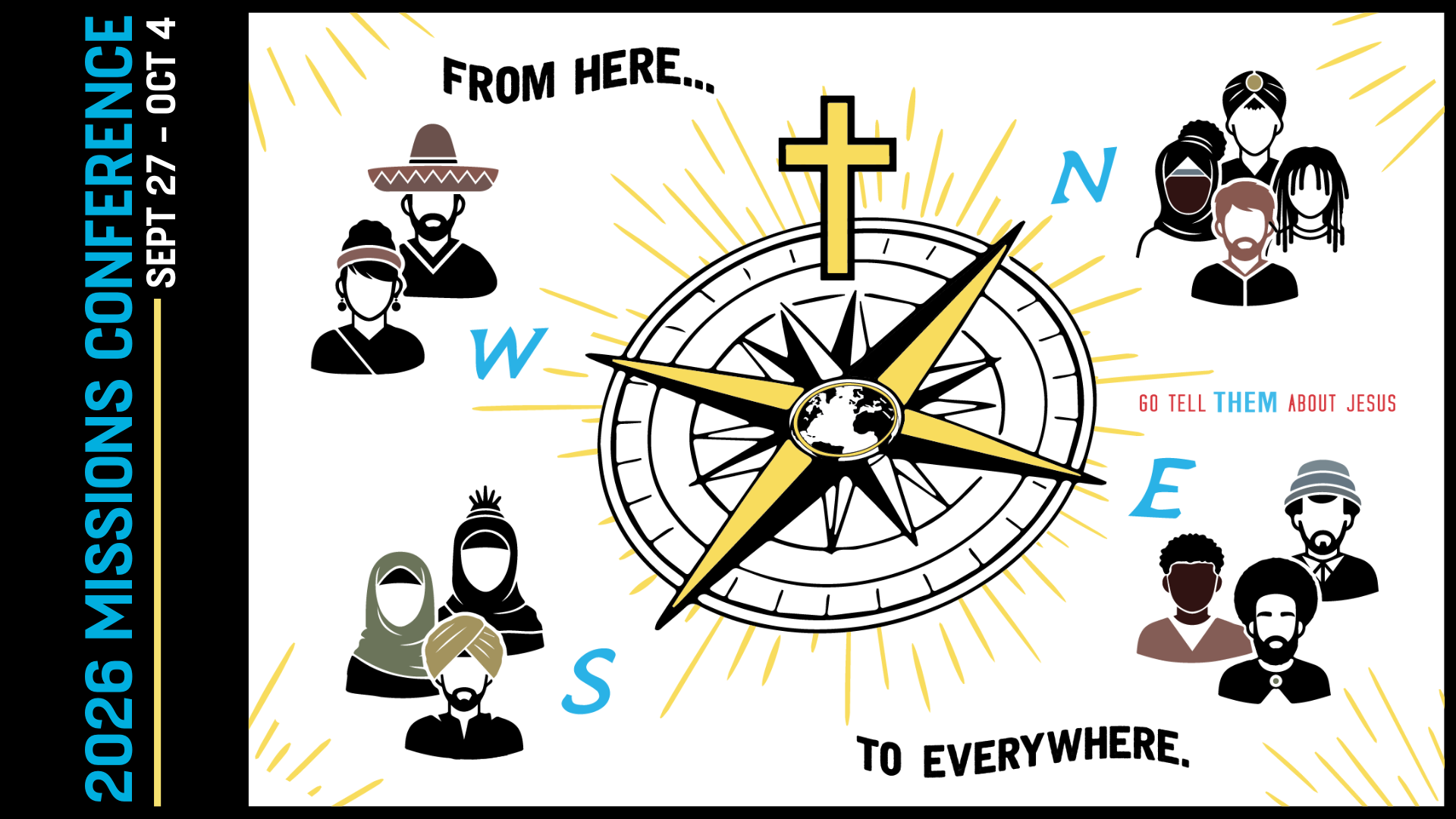
Join West Church for the closing service of our Missions Conference as guest speaker Dave Jones shares “On Mission with Jesus” from Mark 3:13–19. As we explore Jesus’ calling of the twelve apostles, we’ll reflect on His invitation to be with Him and to be sent out to share His message. This passage reminds us that mission begins with a relationship with Jesus and leads us outward to serve others. Join us as we consider how we can take part in His mission—in our communities and around the world.
The Purpose & Power of Prayer
This morning, we continue our series of "Practical Living for Jesus Followers." We explore the purpose and the power of prayer.
Growing Your Patience
What is patience good for? If you want to learn something, if you want to develop a skill, if you want to mature, if you want to succeed, if you want to build healthy relationships, you're going to need it. We're nearing the completion of our series "Practical Living for Jesus Followers." James encourages Christians to have patient endurance. There were clear reasons they needed it. He really encourages them to develop patience. It is a character trait that we can truly benefit from. We really need it and God, in His compassion really wants us to have it. Perhaps you need it too.
God and Your Plans
Do you enjoy thinking about the future? Do you like to imagine what is possible, to make plans and to accomplish something that you imagined? Some people are really good at it. It's fun to watch them succeed. Where does God fit into our plans, or how do we fit into His? James takes us there this week as we continue in our series "Practical Living for Jesus Followers." He has some strong words for people who leave God out of their plans and some important advice on how to change that. I hope you will "plan" to be here.
Finding God Through Our Difficult Relationships
One of the objections that people frequently have about church is that people are hard to deal with. True. But James lays down a challenge for us as we continue our series, "Practical Living for Jesus Followers." He suggests that when people are hard to deal with, that is when we most need and can most experience our God. Each of the relationship challenges that James mentions comes with a way we can better experience God. If you struggle sometimes with people in church, come this Sunday and learn how God wants to help you and work in your life.
The Practice and the Gift
This week, we’re taking a closer look at what wisdom really is. All of us are searching for wisdom—guidance that helps us navigate life with intention and purpose. But is wisdom just information we need to learn, or some secret waiting to be uncovered? James shows us something deeper: wisdom is both a gift God gives and a way of life we actively practice.
The Terrible Tongue
In this message from James 3:1-12, Pastor Bill explores one of the most powerful and dangerous parts of the human body: the tongue. While our culture celebrates the freedom to say whatever we want, James challenges believers to consider whether every thought should actually be spoken. Using vivid illustrations of bits, rudders, wildfires, and untamable animals, this sermon reveals how our words can guide lives, cause deep wounds, and expose the true condition of our hearts. Drawing from personal stories and practical examples, Pastor Bill explains why careless speech is never a small matter and why Jesus followers must allow God to transform the way they speak.
More than a message about controlling our language, this sermon is a call to spiritual honesty and restoration. James teaches that our words have the power to either bless or curse, heal or destroy, build up or tear down. When we recognize the harm our tongues have caused, we are invited not to despair but to return to Christ in confession, repentance, and reconciliation. Discover how God can tame the untamable, help us represent His kingdom with our speech, and use our words to encourage, strengthen, and bless the people around us.
How Do You Know Your Faith is Real
In this message from James 2:14-26, we explore a challenging question: How do you know if your faith is real? James contrasts a faith that is merely a profession of words with a living faith that transforms the whole person and produces a life of obedience. Through the examples of Abraham and Rahab, we see that genuine faith is not proven by what we say, but by the way our trust in God shapes our actions. Join us as we continue our Practical Living for Jesus Followers series and discover why saving faith is never alone.
Making Shallow Judgements
In James 2.1-13 8.2.26, we continue our series Practical Living for Jesus Followers by exploring James’ challenge to reject favoritism and love others the way Christ loves us. James warns against making judgments based on outward appearances and reminds believers that God calls us to show mercy rather than partiality. As recipients of God's grace, we are invited to extend that same mercy to others, allowing God's love to shape our relationships and transform how we see the people around us.
Hearing and Doing God’s Word
In James 1:21-27, we're challenged to move beyond simply hearing God's Word and begin living it. Using the illustration of a person who looks in a mirror and immediately forgets what they saw, James warns against self-deception and calls believers to respond to God's truth with faith, obedience, and action. True spiritual maturity is revealed not by what we know, but by transformed lives marked by controlled speech, compassion for those in need, and a commitment to live differently from the world around us. Join us as we continue our series, Practical Living for Jesus Followers, and discover the freedom and blessing that come from being doers of the Word, not hearers only.

I Am the Light of the World
As Vacation Bible School came to a close, we celebrated our Illumination Station theme by looking at one of Jesus’ most powerful statements: “I am the light of the world” (John 8:12). Using the image of total darkness in a cave, this message reminds us that life without Christ can feel uncertain and confusing, but Jesus offers the light that guides, comforts, and transforms.
In this special VBS Sunday message, our pastor explores what Jesus meant when He promised that those who follow Him “will not walk in darkness, but will have the light of life.” Following Jesus is more than simply knowing about Him. It means trusting Him, walking with Him, and receiving the gift of His presence in every season of life. Through Christ, we are never alone, even in life’s darkest moments.
As we reflect on an incredible week of Illumination Station, this sermon invites children, families, and church members alike to remember that Jesus doesn’t just show us the light, He gives us the Light of Life. Listen as we celebrate what God has done during VBS and consider the invitation to follow Jesus, live in His light, and experience the hope He offers every day.
A Better Way to Deal with Anger
How do we deal with anger in a way that honors God? In this message from James 1:19-21, we explore James' practical wisdom for followers of Jesus: be quick to listen, slow to speak, and slow to become angry. Drawing from Scripture and helpful insights on communication, conflict, and emotional health, this sermon examines why our natural anger so often falls short of God's purposes and how we can develop healthier, Christ-centered responses.
Together we'll consider the dangers of reacting too quickly, the power of truly listening, and the transforming work God wants to do in our hearts. Whether you struggle with frustration, conflict, resentment, or simply want to grow in wisdom, this message offers practical guidance for navigating anger with grace, humility, and spiritual maturity.
Enduring Temptation
Temptation is one of the most universal struggles for Jesus followers, and James 1:12–18 shows how endurance, honesty, and a greater love for God help us face it with courage. This message draws from the myth of the sirens in The Odyssey to illustrate two ways people resist destructive desires—by limiting their ability to give in, like Odysseus tied to the mast, or by cultivating a stronger, more beautiful desire, like Jason listening to Orpheus’ music. James teaches that God promises the crown of life to those who persevere, and that temptation doesn’t come from God but from our own desires. Confession, humility, community, and spiritual honesty interrupt the cycle before it matures into sin and death.
The passage also turns our attention to the goodness of God, the Father of heavenly lights, who gives every good and perfect gift and births new life within us. When we cultivate habits that help us savor God—Scripture, prayer, silence, worship, gratitude—our desire for Him grows stronger than the lesser desires that tempt us. Like catching the aroma of a delicious meal from the kitchen, the presence of God in our lives is a foretaste of the greater joy to come. This sermon invites listeners to endure temptation with honesty and hope, and to pursue the better desire that leads to life. Next week: dealing with anger.
Wisdom About Wealth
Have you ever daydreamed about what your life would be like if you had more money? I'm sure we all have. Lack of finances seem to make things really hard sometimes. At the same time, chasing after money and possessions can be a trap as well. This week in our series "Practical Living for Jesus Followers," James warns us about the deception of riches. Always wanting more is like the air we breath. It is not necessarily healthy. It can actually threaten our faith. But James shows us how our faith in Jesus helps us to avoid being deceived by the lure of always wanting more. It is amazing that a "primitive" book like the Bible, that is more than 2000 years old, has such helpful wisdom for us in 2026. Let's get wise about wealth together this Sunday.
God’s Help in Hardship
This Sunday we begin an all-new series called Practical Living for Jesus Followers. We will be going verse by verse through the letter from James. The first area of practical living he speaks to is "How do we handle hardships in life?" It's not like we don't have enough. He tells us some amazing things about God. God wants to help us, and he will always help us. God wants to give us what we need, in particular, a new perspective and a new insight. If you're struggling with something in your life this week, you will want to learn this. James is even so bold to suggest that we can experience joy no matter what.
From Shame to True Worship
Have you ever daydreamed about what your life would be like if you had more money? I'm sure we all have. Lack of finances seem to make things really hard sometimes. At the same time, chasing after money and possessions can be a trap as well. This week in our series "Practical Living for Jesus Followers," James warns us about the deception of riches. Always wanting more is like the air we breath. It is not necessarily healthy. It can actually threaten our faith. But James shows us how our faith in Jesus helps us to avoid being deceived by the lure of always wanting more. It is amazing that a "primitive" book like the Bible, that is more than 2000 years old, has such helpful wisdom for us in 2026. Let's get wise about wealth together this Sunday.
The Devil and Our Shame
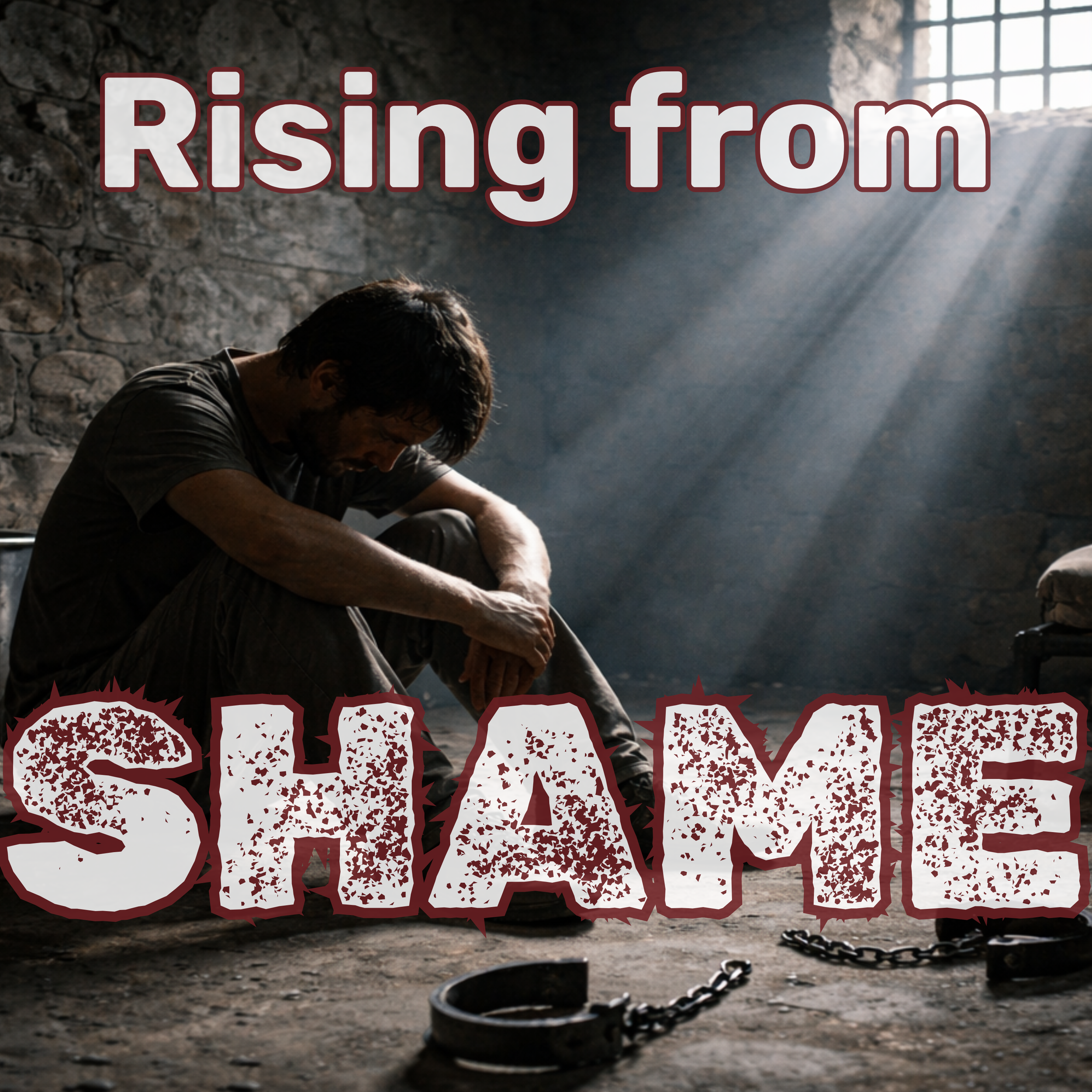
We're approaching the end of our series, "Rising from Shame." We will be looking at the story of Mary Magdalene who was set free from seven demons by the Lord Jesus. Shame is clearly one of the weapons that Satan would use to hinder us and keep us down. Sometimes we think the negative voices putting us down in our heads are our own negative selves. Sometimes they may be even more insidious. When we come to recognize the message of Jesus, we are better equipped to recognize the voice of Jesus over against other voices that trouble us. Jesus always brought God's freedom to those who came to him for help oppressed by unclean spirits. He overcame Satan when he rose from the dead. He wants us to experience freedom with him.

Harmonizing for God’s Glory
Today’s sermon from Romans 15:1–13 used the metaphor of a choir to show how God calls His people into deep unity. Though individually gifted, Christians often clash when preferences, personalities, and cultural backgrounds get in the way. Paul reminds us that glorifying God requires laying down our preferences and moving toward one another in love, even when it is inconvenient. Christ Himself did not please Himself but bore reproach for us, welcoming sinners and drawing near to those who were far from God. His welcome becomes the model for how we welcome one another. Through the Spirit, God empowers us to overcome distance, pursue deeper relationships, and reflect the diverse unity of His people. The call is simple but challenging: serve like Jesus, welcome like Jesus, and glorify God together with one voice.
Facing Your Limitations
This Sunday we look at one of the most vulnerable moments in Elijah’s life—right after his greatest victory. Exhausted, afraid, and convinced he’s a failure, Elijah runs into the wilderness believing he’s alone and beyond help. His story exposes how shame twists our limitations into accusations and how isolation, resentment, and self‑pity can pull even the strongest believers into dark places. But it also reminds us that being human means having limits, and those limits are not signs of God’s absence. At Horeb, God meets Elijah not in the wind, earthquake, or fire, but in a gentle whisper—showing that we need an unlimited God far more than we need unlimited strength. We’ll explore how God restores us through His presence, His people, and His purposes, and how Romans 11 echoes the same truth: God never abandons His own. If you’ve ever felt worn out, “not enough,” or unsure of your place, this message will help you see how dependence on God loosens shame’s grip and leads us toward hope and renewal.
Spiritual Procrastination
As we think about "Rising from Shame" this week, we will look at the life of King Saul. He was anointed with high hopes as a King to rescue God's people. He was a valiant fighter, leading his nation to freedom from those who wanted to harm them. Yet his reign ends in shame. Why did he fall apart? The answer is not a single defining event as it was a series of escalating events that led him to his fall. When we fall short of what God expects of us (and all of us will), but we refuse to own it and admit it, we will journey from guilt to shame. When we are guilty of wrong, we can do something good about that. If we ignore it, it will take on a life of its own that drags us into self-defeating shame. Saul's life demonstrates this. How do we arrest our guilt and shame? How do we climb out of it and learn to move in a new direction? Let's find out together.